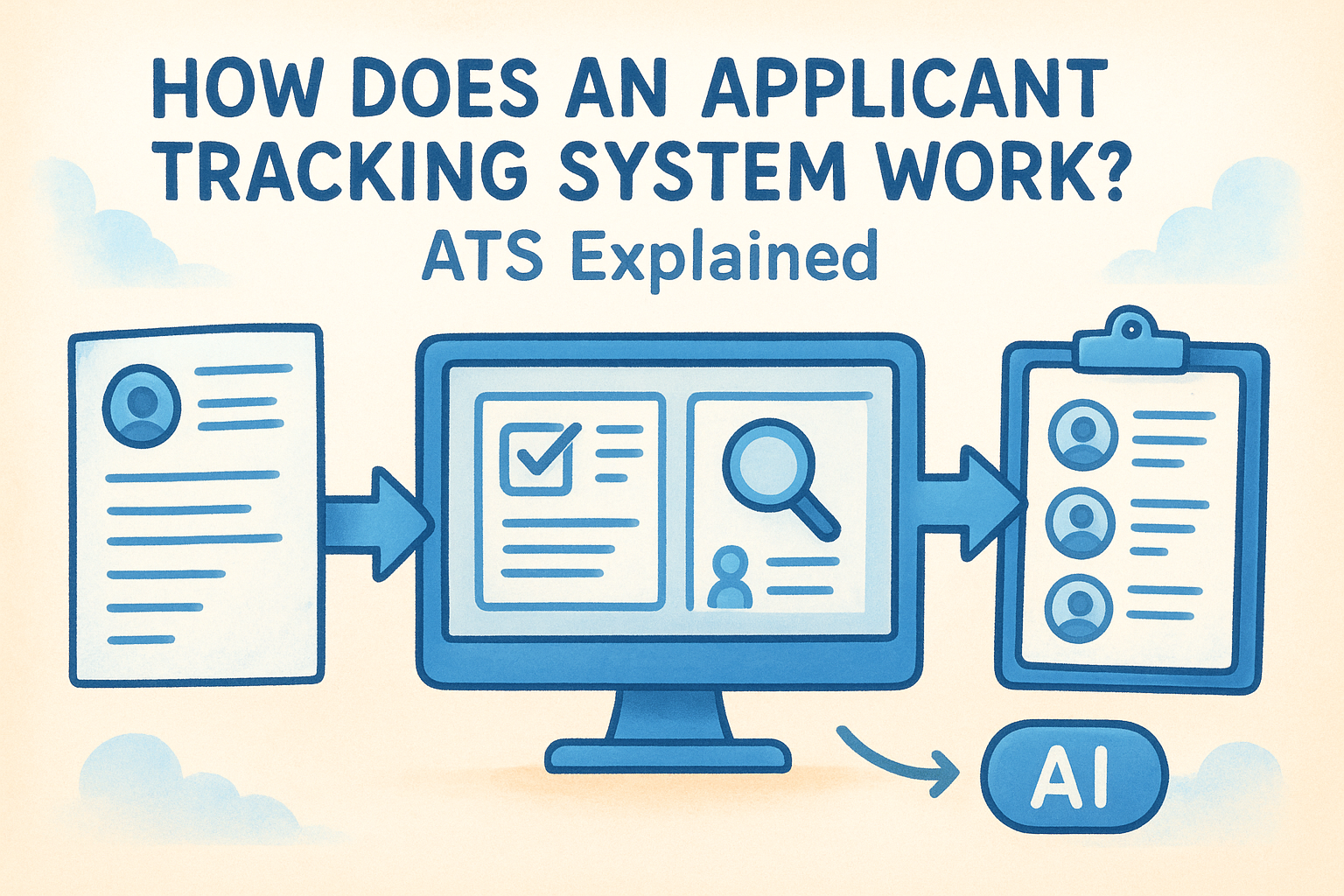
How Does An Applicant Tracking System Work? ATS Explained
Most recruiters know that an ATS sits between job postings and hiring decisions. But how does an applicant tracking system work under the hood, the parsing, filtering, ranking, and matching that happens before a human ever sees a resume? Understanding that process matters whether you're a recruiter trying to get more out of your tools or a hiring manager evaluating which platform actually fits your workflow.
An ATS does more than store resumes in a database. It reads, categorizes, and scores applications using a mix of keyword matching, structured data extraction, and increasingly, AI-driven analysis. The difference between a system that surfaces the right candidates and one that buries them often comes down to how well the parsing engine works and how intelligently the filters are configured. That's a gap most recruiters feel but rarely diagnose.
This article breaks down every stage of the ATS pipeline, from resume intake to candidate ranking, so you can see exactly where automation helps and where it falls short. At Olibr, we built our free ATS with AI-powered matching and interview tools specifically to address the limitations traditional systems leave behind. Whether you're shopping for a platform or optimizing the one you have, this guide gives you the technical clarity to make better decisions.
What an applicant tracking system does
An ATS handles the full administrative layer of recruitment. At its core, it receives applications, organizes candidate data, and moves people through defined stages of your hiring pipeline. Most teams think of it as a digital filing cabinet, but that framing undersells what a modern system actually processes. Every time someone submits a resume, the ATS captures structured data about that person, stores it in a searchable format, and makes it available to everyone on your hiring team who has the right access.
Resume intake and data extraction
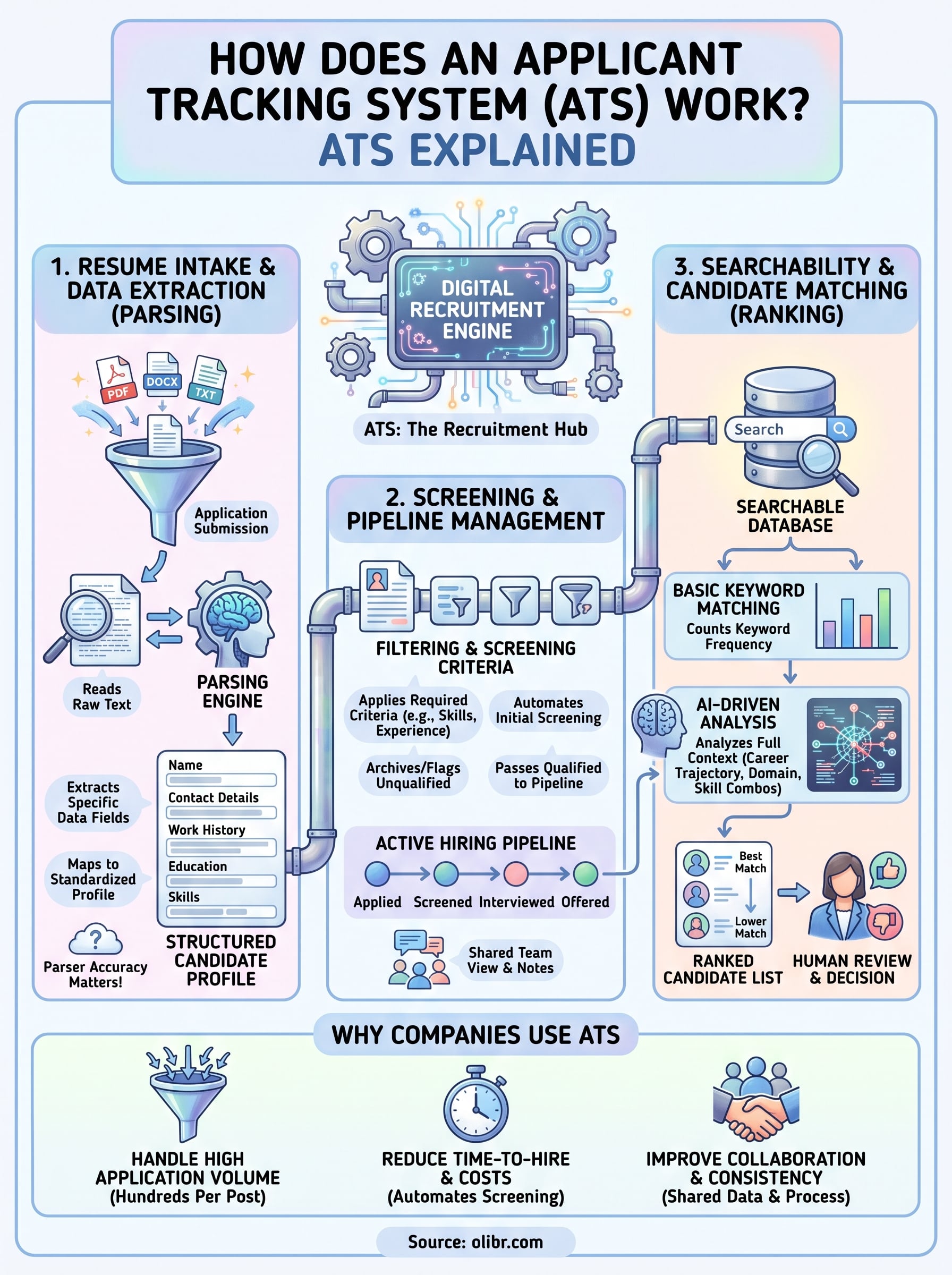
When a candidate submits an application, the ATS immediately begins parsing the document, meaning it reads the raw text of a resume and extracts specific data fields: name, contact details, work history, education, skills, and sometimes certifications or languages. This process is called resume parsing, and the quality of it varies significantly between platforms. A strong parser handles PDFs, Word documents, and plain text without losing structural context. A weak one drops formatting, misreads dates, or merges fields together, which creates gaps in the candidate profile that someone on your team has to fill manually.
The accuracy of your ATS parser directly shapes the quality of every search, filter, and ranking decision that follows.
Parsed data gets mapped to a standardized candidate profile inside the system. That profile becomes the central record your team searches and filters against whenever you need to find candidates who match a specific role.
Pipeline management and collaboration
Once a candidate profile exists, the ATS places that person into a hiring pipeline tied to a specific job opening. You can move candidates through defined stages, such as applied, screened, interviewed, or offered, and log notes, feedback, and scores at each step. This gives your entire hiring team a shared view of every candidate's status without anyone needing to dig through email threads or spreadsheets.
Pipeline management also lets you configure automated stage triggers. Some systems send pre-written messages when a candidate moves between stages, keeping communication consistent without adding manual work to your process. For teams managing dozens of open roles simultaneously, that structure prevents candidates from going dark because no one followed up.
Searchability and candidate matching
Beyond storage, an ATS functions as a searchable database. You can filter candidates by skills, years of experience, location, job title, or any other field the parser captured accurately. More advanced platforms layer AI-driven matching on top of basic search, analyzing the full context of a resume rather than checking for exact keyword hits alone.
That distinction matters. Understanding how does an applicant tracking system work at a deeper level means recognizing the gap between a system that finds keywords and one that interprets candidate fit from real context, including career trajectory, domain exposure, and skill combinations that wouldn't surface through a simple keyword filter.
Why companies use applicant tracking systems
Most hiring teams don't adopt an ATS because they want more software to manage. They adopt one because manual screening at scale becomes unworkable fast. A single job posting can draw hundreds of applications within days, and reviewing each one individually consumes recruiter time that should go toward evaluating serious candidates, not reading through unqualified submissions. Understanding how does an applicant tracking system work starts with recognizing the problem it solves: volume that humans cannot process alone without losing accuracy or speed.
Handling high application volume
When you post a role on multiple job boards simultaneously, applications arrive from every direction at once. An ATS consolidates all of those submissions into one interface, giving your team a single place to work from rather than checking separate inboxes or spreadsheets. Without that consolidation, candidates fall through the cracks and your team spends time on logistics instead of evaluation.
The average corporate job posting receives over 250 applications, a volume that makes manual review impractical for most recruiting teams without automated support.
You also avoid duplicates. If the same candidate applies through LinkedIn and your careers page, a good ATS flags the overlap automatically rather than creating two separate profiles your team has to reconcile later.
Reducing time-to-hire and recruiting costs
Every day a role stays open, it costs your business real productivity. An ATS cuts time-to-hire by automating the early screening steps that would otherwise require a recruiter to manually read and sort applications. Filters run instantly, ranked lists appear within seconds, and your team focuses only on candidates who actually meet the baseline criteria for the role.
Recruiting costs drop alongside hiring timelines. When your team spends fewer hours on administrative tasks, you either hire more roles with the same headcount or reduce the need to bring in outside agencies to handle overflow volume.
How an ATS processes an application step by step
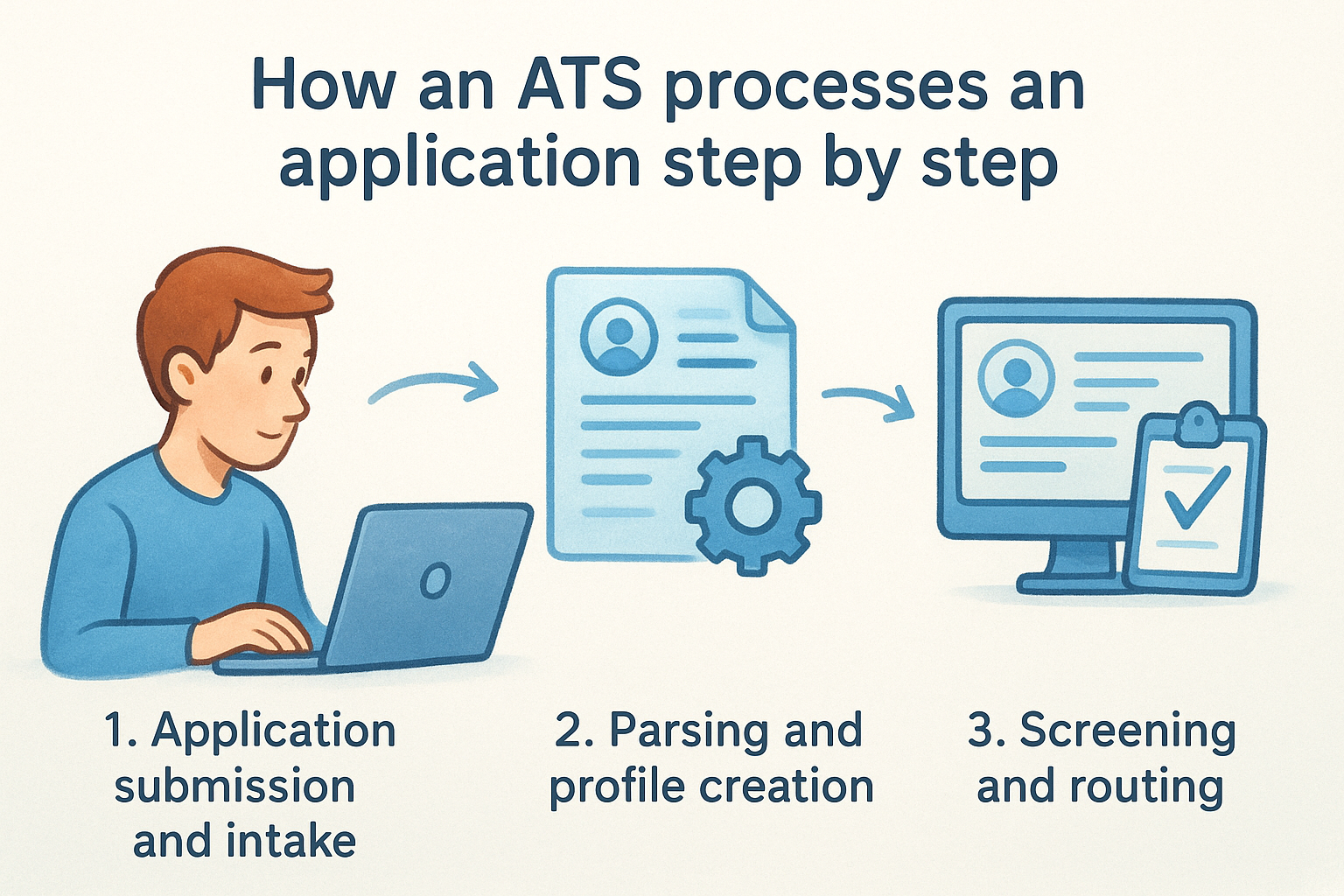
When you look at how does an applicant tracking system work in practice, the clearest way to understand it is by following a single application from submission to review. Each stage builds on the one before it, and a breakdown at any point creates compounding problems that show up later when your team tries to search or rank candidates accurately.
Step 1: Application submission and intake
A candidate submits their resume through your job posting page, a job board integration, or a direct upload link. The ATS captures that file and timestamps the entry, linking the candidate to the specific role they applied for. All source channels feed into one unified pipeline, so your team works from a single list regardless of where the application originated.
Step 2: Parsing and profile creation
The system immediately reads the submitted document and extracts structured data from the raw text: name, contact details, employment history, education, and skills all map to discrete fields inside the candidate profile.
Parser accuracy at this stage determines the quality of every search and filter decision that follows. A clean, complete profile gives your team a reliable foundation to work from, while a poorly parsed one creates gaps that skew automated scoring and make qualified candidates harder to surface.
A misfiled job title or a missed skill at the parsing stage can eliminate a strong candidate before any human ever reviews their application.
Step 3: Screening and routing
Once the profile exists, the ATS runs it against your configured screening criteria, such as required skills, minimum experience, or location. Candidates who meet the threshold move into your active pipeline automatically, without your team reading through each submission individually.
Those who fall short get archived or flagged, keeping your recruiter's attention focused on the candidates who actually match the role rather than on manual sorting.
How ATS parsing, filters, and ranking work
Understanding how does an applicant tracking system work at a mechanical level means looking at three distinct processes that operate in sequence: parsing extracts candidate data, filters apply your criteria, and ranking orders the results your team reviews.
How parsing extracts meaning from text
Parsing converts an unstructured document into a structured data record. The parser reads through the raw text of a resume and identifies specific data fields like job titles, employment dates, company names, and skills by recognizing patterns in formatting and language. When a candidate lists "Python" under a skills section, the parser flags that as a technical skill. When it reads "Senior Engineer at Acme, 2019-2023," it maps that to a distinct work history entry with a title, employer, and duration.
How filters apply your requirements
Filters run against the structured data the parser created. You set required criteria for a role, such as minimum years of experience, specific skills, or location, and the ATS checks each candidate profile against those parameters automatically. Candidates who match move forward; those who don't get archived or flagged for later review. The accuracy of your filters depends entirely on how cleanly the parser captured each field in the first place.
Misconfigured filters remove strong candidates silently, no error message, no flag, just a qualified person removed from your pipeline before anyone reviews them.
How ranking orders the results
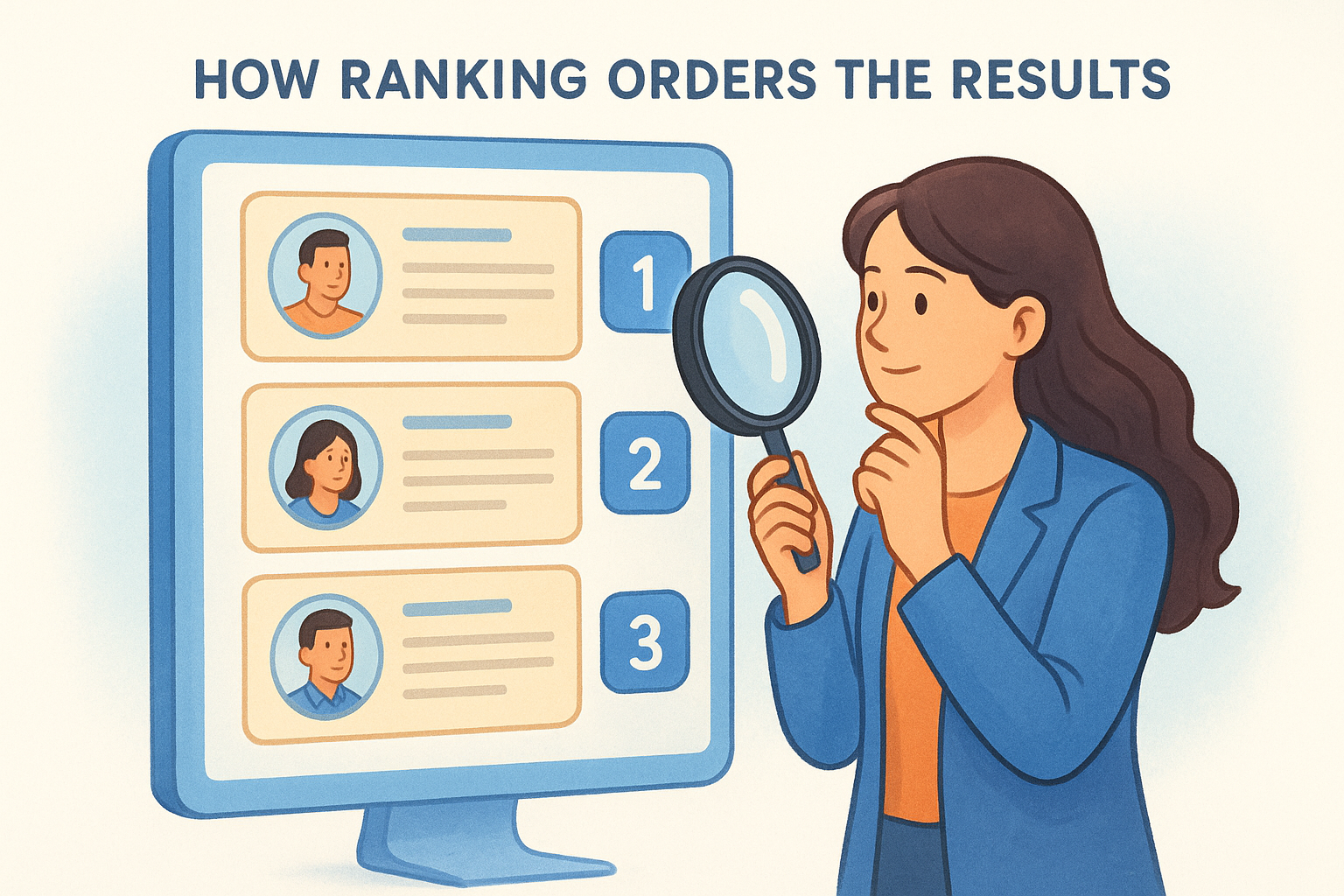
Once filters reduce the candidate pool, the ATS scores and sorts remaining profiles based on how closely they match the job description. Basic systems count keyword frequency. More advanced platforms, including AI-powered tools, analyze contextual fit across the full resume, factoring in career progression, domain relevance, and skill combinations rather than raw keyword counts alone. That distinction separates a system that surfaces qualified candidates from one that simply rewards applicants who write resumes with the right words in the right places.
How to get better ATS results as a recruiter or applicant
Understanding how does an applicant tracking system work gives you a clear advantage regardless of which side of the process you sit on. Recruiters can tighten their configurations to surface stronger candidates faster, while applicants can structure their resumes to pass through filters without losing their actual qualifications in translation.
For recruiters: configure your system to find the right people
The single biggest lever you control as a recruiter is how you write your job descriptions and set your filters. If your required criteria are too narrow, you automatically exclude candidates who could do the job but describe their experience with slightly different language. Use broad skill synonyms when building your filter logic, and treat hard filters as true minimums rather than aspirational wish lists.
The more precisely you configure your ATS at the start of a role, the less manual cleanup your team needs to do when the pipeline fills up.
You should also audit your parsed candidate profiles periodically to confirm the parser captures data accurately across different resume formats. If profiles consistently show blank fields for skills or experience, your searches and rankings operate on incomplete data, which skews every result your team reviews.
For applicants: format and content choices that matter
Resume format directly determines how much useful information the ATS parser captures from your application. Use standard section headings like "Work Experience," "Education," and "Skills" rather than creative alternatives that parsers may not recognize. Keep your layout clean, avoid tables and text boxes for core content, and save your file as a standard PDF or Word document unless the job posting specifies otherwise.
Match your language to the language in the job description. If the posting says "data analysis," use that phrase rather than only "analytics work." Exact terminology alignment improves how your profile ranks in filtered searches without requiring you to pad your resume with keywords that misrepresent your actual background.
Final takeaways
Knowing how does an applicant tracking system work gives you a real advantage at every stage of the hiring process. Recruiters who understand parsing, filtering, and ranking can build tighter configurations that surface qualified candidates faster and eliminate the manual sorting that slows most teams down. Applicants who grasp the same mechanics can format and write resumes that pass through filters without losing the substance of their actual experience.
The gap between a system that works and one that wastes your time usually comes down to how well the underlying technology handles parsing accuracy and candidate matching. A modern ATS should do more than store resumes. It should help you make better decisions with less effort at every step of the pipeline.
If you want a platform built around that standard, explore Olibr's free ATS and AI-powered hiring tools and see how it fits your recruiting workflow from day one.
For hiring teams
Search 180,000+ candidate profiles — free.
Olibr is a community-funded recruiting platform: full ATS, AI interviews, and a shared resume database. No per-seat fees.