15 Best AI Recruiting Tools for 2026: Features & Pricing
AI has fundamentally changed how recruiters source, screen, and hire talent. Resume parsing, candidate matching, automated interviews, tasks that used to eat up entire workdays now happen in minutes. But with dozens of platforms claiming to do it all, picking the best AI recruiting tools actually worth your budget (or lack thereof) takes real comparison, not just marketing pages.
That's exactly why we built this guide. At Olibr, we run an AI-powered recruiting platform with a free ATS used by thousands of recruiters across the US and India, so we know firsthand what features matter and what's just noise. Our own tool uses AI matching, automated interviews with facial expression analysis, and a shared database of 180,000+ candidate profiles, all without charging a subscription fee. We're including ourselves in this list, but we're also giving you an honest look at 14 other platforms that bring something genuinely useful to the table.
Each tool below is broken down by core features, pricing, and the specific use case it handles best, whether that's high-volume screening, niche technical hiring, or end-to-end applicant tracking. Some cost nothing. Others run into six figures annually. The right pick depends on your team size, hiring volume, and how much of the process you want AI to handle. Here are 15 tools worth evaluating right now.
1. Olibr
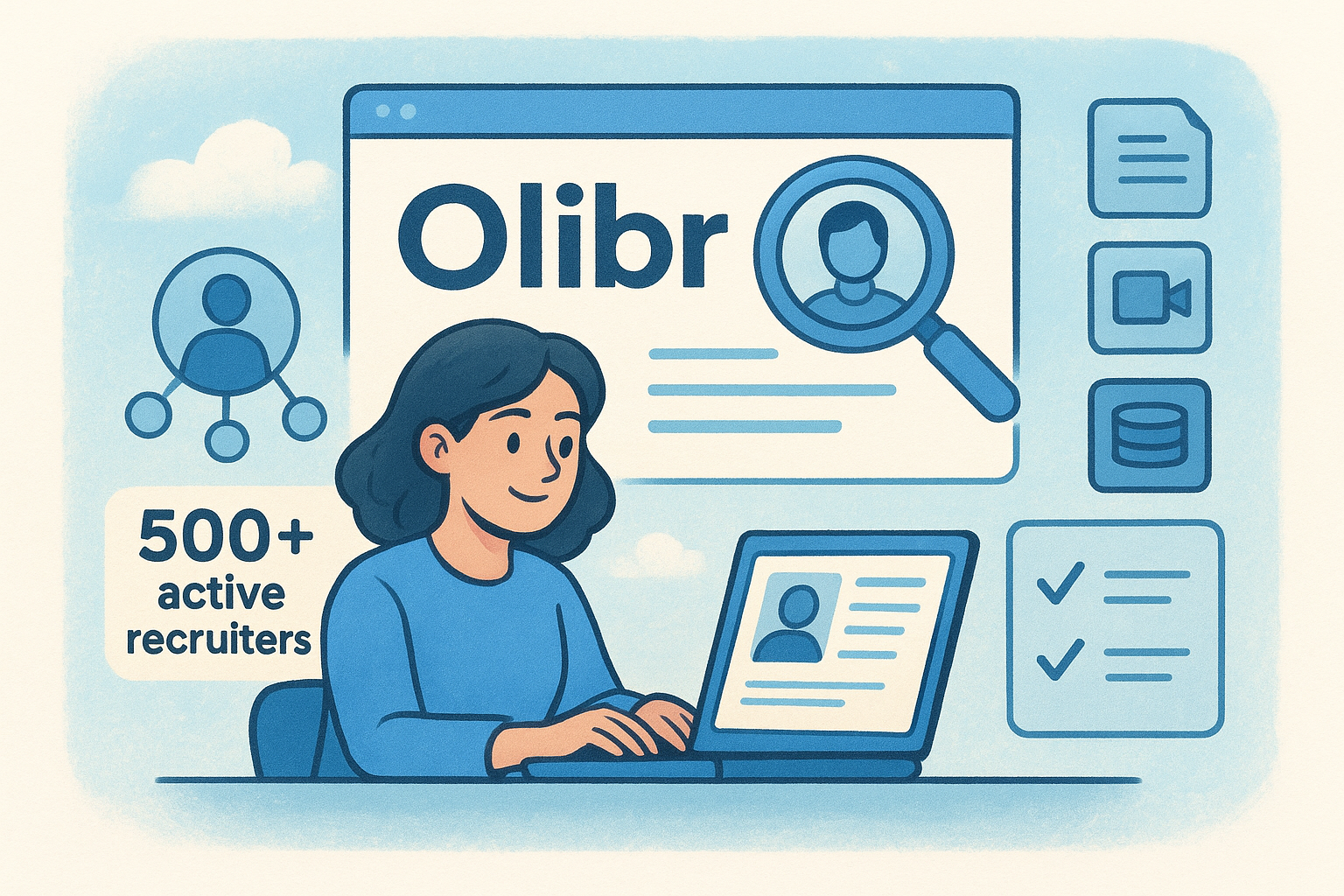
Olibr is an AI-powered recruiting platform with a free ATS, built for teams who want the full recruiting stack without the monthly invoice. It combines an ATS, AI candidate matching, automated video interviews, and a shared talent database, all in one place. Over 500 active recruiters currently use it across India and the US, making it one of the fastest-growing free tools in the recruiting space.
What it is
Olibr runs on a community-contribution model: recruiters upload resumes to a shared database in exchange for full platform access. Contributing profiles keeps search and matching open; AI features such as interviews are paid per use. The platform currently holds 180,000+ candidate profiles with filters for skills, experience level, location, domain, and career background, so you can slice the database exactly how you need it.
Standout AI features
Olibr's AI goes well beyond keyword matching. Its candidate matching engine reads full job descriptions and resumes together, then predicts fit based on career trajectory, skill depth, and domain relevance. When you find candidates you want to move forward, the platform's AI-conducted interviews handle the first round automatically, including facial expression analysis and automated scoring, so you only spend time on candidates who've already cleared a meaningful bar.
This combination of deep matching and automated screening is what sets Olibr apart from most of the best AI recruiting tools on the market, which usually charge separately for each capability.
Bulk resume upload with AI parsing rounds out the core feature set. You can push entire resume batches into the system, and the AI structures every profile for search and comparison automatically.
Best for
Olibr works best for in-house recruiters and talent acquisition teams who handle multiple roles simultaneously and need to cut time-to-hire without adding software costs. It's especially strong for teams hiring across India and US markets who want one platform covering both geographies.
Limitations to know
The community model means your access depth scales with how much you contribute. Teams with small existing resume databases will need to build up credits before getting full search access. The platform is also still growing its enterprise-grade integrations, so if your stack depends on deep HRIS connections, verify compatibility before switching.
Pricing and plans
Olibr's ATS is free with no paid tiers or subscription fees; AI features are paid per use. All users access the same full platform from day one. Credits are earned by uploading candidate profiles, not purchased.
2. Greenhouse
Greenhouse is one of the most widely used applicant tracking systems on the market, built for mid-size to enterprise hiring teams that need a structured, process-driven approach to recruiting.
What it is
Greenhouse gives recruiting teams a full ATS with deep customization across job workflows, interview stages, and hiring scorecards. The platform focuses heavily on structured hiring practices, pushing teams to define evaluation criteria before interviewing begins so decisions stay consistent across candidates.
Standout AI features
Greenhouse has expanded its AI capabilities in recent years, though its approach leans more toward workflow automation and assistant-level features than full autonomous screening. Its AI tools help with job description writing, candidate scoring within pipelines, and basic interview scheduling suggestions. If you're evaluating the best AI recruiting tools, Greenhouse sits more on the structured-process end than the deep-AI end.
The platform's strength is making human decisions more consistent, not replacing them with automated ones.
Best for
Greenhouse works best for mid-market and enterprise companies with dedicated recruiting operations and a need for compliance-grade process documentation. Teams that run high-volume hiring across multiple departments and need audit trails will find it fits well.
Limitations to know
The platform carries a notable learning curve, and smaller teams often find the configuration overhead too heavy for their headcount. Its AI features, while useful, trail behind newer AI-native tools in areas like autonomous candidate sourcing or interview scoring.
Pricing and plans
Greenhouse does not publish pricing publicly. Plans are quote-based, tiered by company size and feature needs. Most teams report mid-to-high four-figure monthly costs, making it better suited to organizations with dedicated recruiting budgets rather than lean teams watching spend.
3. Workable
Workable is an all-in-one recruiting platform that covers everything from job posting to offer letter, designed for companies that want one tool to manage the full hiring cycle without stitching together multiple point solutions.
What it is
Workable combines a full ATS with built-in sourcing tools, a branded careers page builder, and interview scheduling, all within a single interface. The platform targets growing companies and mid-size businesses that need structure without the enterprise overhead that comes with tools like Greenhouse.
Standout AI features
Workable's AI features sit across the pipeline rather than concentrating in one area. Its AI-generated job descriptions help recruiters write role postings faster, while its candidate sourcing tool scans external databases to surface passive candidates based on your job requirements. The platform also offers AI-assisted resume screening that ranks applicants by predicted fit within your existing pipeline.
Among the best AI recruiting tools that combine ATS and sourcing in one package, Workable gives smaller teams a practical starting point without requiring dedicated technical setup.
Best for
Workable fits small-to-mid-size companies hiring across multiple roles who want a straightforward setup and a clean recruiter experience. It works particularly well for teams without a dedicated recruiting ops function who need the platform to guide process rather than require one.
Limitations to know
Workable's AI features are useful but not deep. You won't get autonomous interview scoring or predictive trajectory analysis here. Teams dealing with very high hiring volumes often find the filtering and automation options hit their ceiling faster than expected.
Pricing and plans
Workable offers a pay-per-job model starting around $149 per job per month, plus annual plans based on company size. Pricing scales up for larger teams, and some AI features require higher-tier plans to unlock fully.
4. Paradox
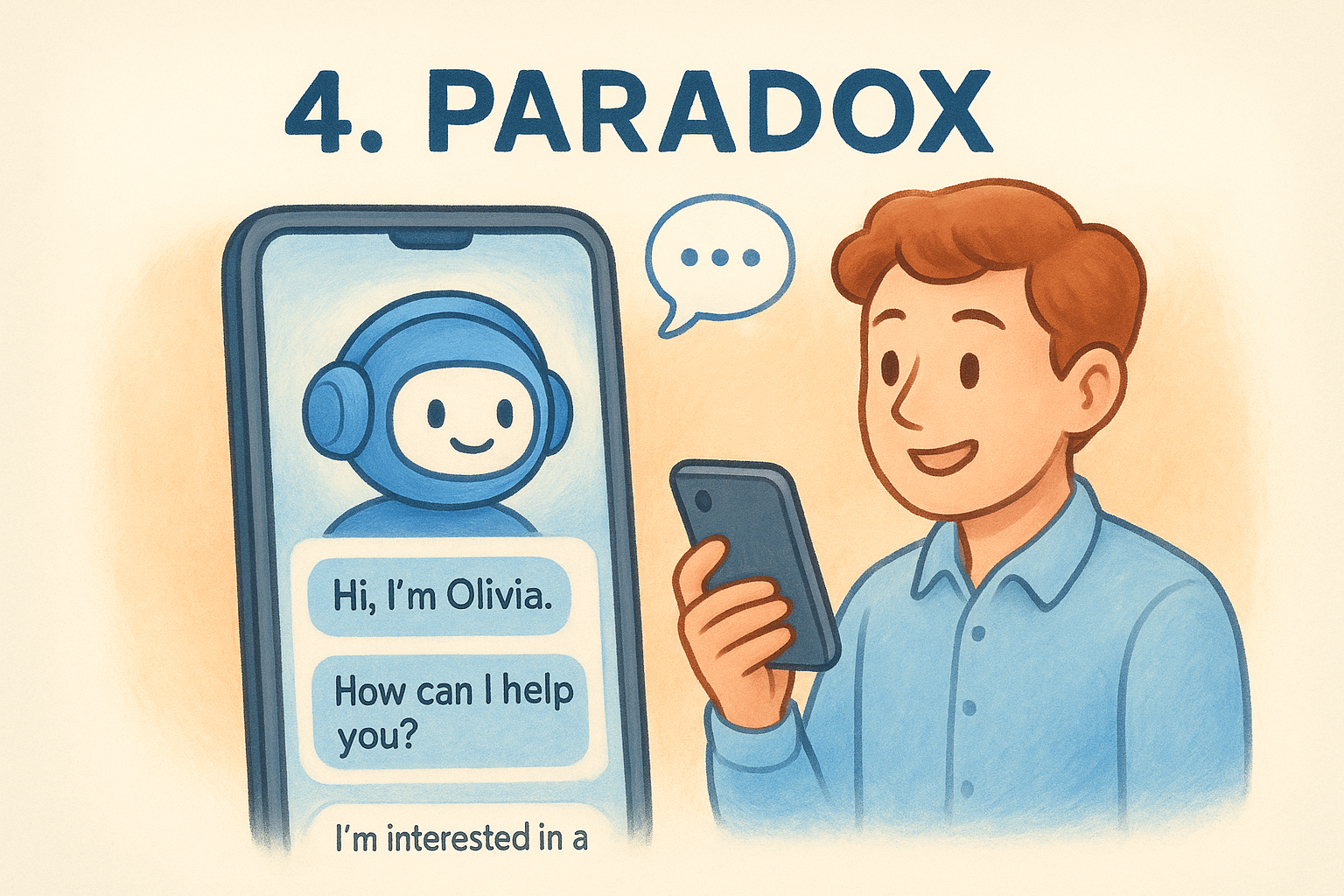
Paradox builds AI recruiting tools around a single core idea: conversational automation. The platform's AI assistant, Olivia, handles candidate-facing interactions through text and chat, moving applicants through the funnel without requiring recruiter involvement at every step.
What it is
Paradox focuses specifically on automating high-volume candidate communication rather than trying to be a full ATS. Olivia acts as a persistent recruiting assistant that answers candidate questions, collects applications, schedules interviews, and sends reminders, all through a conversational chat interface that works across SMS, web, and mobile. The platform integrates with existing ATS software rather than replacing it.
Standout AI features
Olivia handles end-to-end scheduling autonomously, syncing with interviewer calendars and confirming slots without back-and-forth emails. The assistant also conducts structured screening conversations with candidates, asking qualifying questions and scoring responses before passing shortlisted applicants to your team. For companies running high-volume hourly hiring, this saves a significant amount of manual coordination time.
Paradox works best when you need speed at the top of the funnel, not when you need deep predictive analytics further down the pipeline.
Best for
Paradox fits enterprise and large retail or logistics companies hiring at scale for hourly or high-volume roles. If your team spends most of its time scheduling and following up rather than evaluating candidates, Olivia directly addresses that bottleneck.
Limitations to know
Paradox is not a standalone ATS, so you need an existing system to pair it with. Teams hiring for complex, senior, or technical roles often find the conversational screening too surface-level for nuanced evaluation.
Pricing and plans
Paradox uses custom, quote-based pricing. No public tiers exist, and costs typically reflect enterprise contract structures with annual commitments required.
5. Humanly
Humanly builds its platform around conversational AI screening designed to handle the top-of-funnel work that slows most recruiting teams down. Rather than replacing your ATS, it plugs into existing systems and automates candidate engagement from the moment someone applies.
What it is
Humanly focuses on AI-driven chat screening and candidate engagement at scale. The platform integrates with major ATS tools and conducts structured screening conversations automatically, collecting candidate responses and routing qualified applicants to your pipeline without requiring manual follow-up on every submission.
Standout AI features
Humanly's core AI capability is its conversational screening engine, which engages candidates through text-based chat, asks role-specific qualifying questions, and scores responses for recruiter review. The platform also includes interview note-taking and summarization, which reduces the manual work that comes after live interviews. For teams evaluating the best AI recruiting tools for high-volume roles, these two features together cut a meaningful amount of repetitive work from your daily schedule.
Humanly's AI note-taking during live interviews is one of the more practical time-savers you'll find in a mid-market tool, especially for teams running multiple interviews each day.
Best for
Humanly fits mid-size companies and staffing agencies running consistent hiring across multiple roles who need faster top-of-funnel screening without locking into a large enterprise contract. It also works well for HR teams that conduct a high volume of interviews and want structured notes without taking them manually.
Limitations to know
The platform's sourcing capabilities are limited, so you need a separate tool if proactive candidate outreach is part of your strategy. Teams with highly specialized technical hiring needs may find the screening logic too generic for complex roles.
Pricing and plans
Humanly offers custom pricing based on hiring volume and team size. No public pricing tiers are listed, so you need to contact their team directly for a quote.
6. GoodTime
GoodTime focuses on interview scheduling automation, removing one of the most time-consuming coordination tasks from your recruiting workflow. The platform integrates with your existing ATS and calendar tools to handle scheduling at scale, rather than requiring you to replace your current stack.
What it is
As an interview scheduling platform, GoodTime automates the full coordination process, from finding available time slots to confirming interviews with candidates. It connects with your ATS, calendar system, and communication tools to manage complex multi-interviewer panels without manual input from your team on each individual booking.
Standout AI features
GoodTime's AI focuses specifically on optimizing interviewer availability and reducing the friction that piles up when you coordinate multiple interview panels at once. Its algorithm analyzes interviewer workload and scheduling preferences to surface the best combinations automatically. The platform also handles candidate reminders and follow-ups without requiring your team to chase every confirmation manually.
For recruiting teams that lose hours each week to scheduling back-and-forth, GoodTime addresses that bottleneck more directly than most of the best AI recruiting tools designed as full-stack platforms.
Best for
GoodTime works best for mid-size to enterprise companies running high-volume interviewing across multiple departments, where scheduling coordination pulls recruiters away from evaluation and actual hiring decisions.
Limitations to know
The platform does not cover sourcing, screening, or candidate evaluation, so it handles only one slice of your overall hiring process. Teams looking for broader capabilities will need additional tools alongside it to cover the full funnel.
Pricing and plans
GoodTime offers custom, quote-based pricing with no public tiers available. Exact costs depend on your hiring volume and team size, so you need to contact them directly for a number.
7. HireVue
HireVue is a video interviewing and AI assessment platform that has been running since 2004, making it one of the older names in the space. It focuses on structured video interviews and predictive assessments to help companies evaluate candidates more consistently across large applicant pools.
What it is
HireVue lets companies build on-demand video interview workflows where candidates record answers to preset questions on their own schedule. The platform combines these video responses with AI-driven assessments that score candidates on communication style, role fit, and other behavioral dimensions to help your team prioritize who to advance.
Standout AI features
HireVue's AI evaluates candidate responses across video, text, and game-based assessments, pulling together a composite profile for each applicant. The platform also includes structured interview guides and automated scoring, which reduces inconsistency when multiple interviewers review the same candidate pool. If you're comparing the best ai recruiting tools that specialize in assessment-heavy hiring workflows, HireVue is one of the more established options in that lane.
The platform's assessment depth makes it most valuable when your hiring decisions carry high stakes and you need documented, defensible evaluation criteria behind every call.
Best for
HireVue works best for enterprise companies and large financial, retail, or healthcare organizations running campus recruiting or structured graduate-intake programs where evaluation consistency matters most.
Limitations to know
HireVue draws ongoing scrutiny over algorithmic bias concerns in its AI scoring models, particularly around facial and verbal analysis. Teams with DEI-sensitive hiring programs should review its assessment methodology carefully before deploying it at scale.
Pricing and plans
HireVue uses custom, enterprise-level pricing with no publicly listed tiers. Expect costs that reflect annual contracts aimed at large organizations rather than smaller recruiting teams.
8. Manatal
Manatal is a cloud-based ATS and recruitment CRM built for staffing agencies and in-house teams that want an affordable, AI-enhanced platform without the complexity that comes with enterprise tools. The platform serves recruiters across Southeast Asia and global markets, with a product designed to be set up and operational within a day.
What it is
Manatal covers full-cycle recruiting from job posting and pipeline management to offer tracking, all within a single interface. It pairs a traditional ATS structure with a built-in recruitment CRM that lets agencies manage client relationships alongside candidate pipelines, which makes it more versatile than tools that only handle one side of the equation.
Standout AI features
Manatal's AI focuses primarily on candidate scoring and profile enrichment. When you add a candidate to the system, the AI pulls data from social profiles and enriches the record automatically, giving you more context without manual research. It also scores candidates against your active job requirements, ranking applicants so you know where to spend your attention first. Among the best ai recruiting tools at this price point, Manatal offers a solid combination of automation and usability.
The social media enrichment feature is particularly useful for agencies that need full candidate profiles fast without investing hours in manual data gathering.
Best for
Manatal works best for staffing agencies and smaller in-house teams that need a full ATS plus basic CRM capabilities without paying enterprise rates or spending days configuring the system before you can actually use it.
Limitations to know
The platform's reporting and analytics tools sit on the simpler side, and teams running structured, multi-stage interview programs may find the evaluation features too lightweight for complex roles.
Pricing and plans
Pricing starts at $19 per user per month, with higher tiers unlocking additional AI features and integrations. A 14-day free trial is available with no credit card required.
9. Eightfold AI
Eightfold AI is a talent intelligence platform built on deep learning that goes beyond standard ATS functionality to give large organizations a more complete picture of their workforce, both the candidates they're hiring and the employees they already have.

What it is
Eightfold positions itself as a full talent lifecycle platform, covering recruiting, internal mobility, workforce planning, and skills intelligence in one system. Rather than treating hiring as an isolated function, it connects external candidate pipelines with internal talent data to help organizations make smarter decisions about where skills exist and where gaps need to be filled.
Standout AI features
Eightfold's AI is built around a skills-based matching engine that maps candidates and employees to roles using a continuously updated model trained on hundreds of millions of global career profiles. The platform predicts career trajectory and role fit without relying purely on job titles or keyword overlap, which surfaces candidates who might otherwise get filtered out by rigid criteria. Among the best ai recruiting tools focused on skills intelligence at scale, Eightfold sits at the more sophisticated end of the spectrum.
This trajectory-based matching is especially powerful when you're hiring for emerging roles where the right candidate may not have an exact title match on their resume.
Best for
Eightfold works best for large enterprises with complex workforce planning needs that extend beyond filling individual requisitions into long-term talent strategy and internal mobility programs.
Limitations to know
The platform's depth and configuration requirements make it a poor fit for small teams or companies that need something operational quickly. Setup typically requires dedicated implementation support and time investment before you see full value.
Pricing and plans
Eightfold uses custom, enterprise-level pricing with no public tiers listed. All contracts are quote-based and generally structured around annual enterprise agreements.
10. SeekOut
SeekOut is a talent intelligence platform built specifically for sourcing hard-to-reach candidates in technical, engineering, and specialized fields where standard job boards consistently deliver shallow results. The platform aggregates publicly available professional data to build rich candidate profiles that go well beyond what you'd typically find on a resume.
What it is
The platform gives recruiters access to a large searchable database built from open web sources, GitHub, academic publications, and professional networks. Its core strength is surfacing passive technical talent with verified skills and credentials that simply aren't visible through conventional sourcing channels.
Standout AI features
SeekOut's AI drives talent search and candidate scoring by analyzing skills, credentials, experience depth, and career patterns against your open roles. It also includes diversity filters that help you build targeted pipelines for underrepresented candidates without bolting on a separate tool. Among the best ai recruiting tools designed around deep sourcing rather than screening, SeekOut delivers real depth for technical hiring teams.
The GitHub integration is particularly useful when you need to verify what a software engineer has actually built, rather than taking resume bullet points at face value.
Best for
Teams focused on engineering and technical hiring at mid-size to large companies benefit most here, especially when you need to find candidates with specialized, verifiable skills that general sourcing platforms consistently miss.
Limitations to know
The platform's concentration on sourcing and candidate discovery means you still need a separate ATS to manage your actual hiring workflow. Coverage also skews toward US-based technical talent, which limits its usefulness if your hiring regularly spans international markets.
Pricing and plans
Pricing runs on a custom, quote-based model with no public tiers listed. You need to contact their sales team directly to get a number that reflects your team size and use case.
11. hireEZ
hireEZ (formerly Hiretual) is an outbound recruiting platform that aggregates candidate profiles from over 45 platforms including LinkedIn, GitHub, and professional networks, then uses AI to help your team source, engage, and manage candidates in one place.
What it is
Rather than waiting for inbound applications, hireEZ centers on proactive outbound sourcing. The platform pulls together publicly available candidate data from dozens of sources, normalizes it into structured profiles, and gives your team a centralized sourcing workspace where you can search, filter, and build targeted talent pipelines without jumping between multiple tools.
Standout AI features
hireEZ's AI drives both candidate discovery and engagement automation. Its search engine uses Boolean-free, natural language queries to surface relevant candidates across all connected sources simultaneously. The platform also includes AI-generated outreach sequences that personalize messages based on candidate profiles and track open and reply rates so you know which outreach actually lands. For teams comparing the best ai recruiting tools built around outbound sourcing, hireEZ handles both the discovery and the follow-through in a single workflow.
The natural language search removes the need to build complex Boolean strings, which saves meaningful time for recruiters who are not sourcing specialists.
Best for
hireEZ fits talent acquisition teams at mid-size to large companies that rely heavily on proactive outreach and need multi-source sourcing coverage without maintaining separate subscriptions for each individual platform.
Limitations to know
The platform skews heavily toward sourcing and engagement, so you still need a separate ATS to manage the downstream hiring process. Teams filling non-technical or hourly roles often find the candidate data thinner outside professional and tech-focused networks.
Pricing and plans
hireEZ uses custom, quote-based pricing with no publicly listed tiers. You need to contact their team directly to get a number based on your team size and sourcing volume.
12. Findem
Findem is a talent data platform that takes a fundamentally different approach to candidate sourcing by building profiles from hundreds of continuously updated data attributes rather than relying on static resume snapshots.
What it is
Findem calls its core methodology "3D data", which means it indexes and refreshes candidate profiles from across the web on an ongoing basis, tracking career moves, skill changes, and professional activity over time. Rather than delivering a single-point-in-time view, the platform gives your team a dynamic, current picture of each candidate that reflects where they stand right now, not where they were the last time they updated a profile manually.
Standout AI features
The platform's AI powers both candidate discovery and continuous talent monitoring, letting you set automated alerts when passive targets hit milestones that signal they might be open to a new opportunity. Search runs on natural language attribute queries instead of Boolean strings, so your team describes what it needs in plain terms and receives a prioritized list of matches without needing to build complex search logic first.
This continuous monitoring capability separates Findem from most of the best ai recruiting tools, which hand you a static export and leave all the follow-up tracking to you.
Best for
Findem fits enterprise talent acquisition teams that focus on building long-term pipelines for technical, specialized, or leadership roles where timing and candidate readiness matter as much as the underlying fit.
Limitations to know
The platform does not function as a full ATS, so you need a separate system to manage your hiring workflow from screening through offer. Getting full value from the continuous monitoring features also requires dedicated onboarding time and integration work upfront.
Pricing and plans
Findem uses custom, enterprise-level pricing with no public tiers listed. Reach out to their team directly for a quote based on your pipeline scope and team size.
13. Fetcher
Fetcher is an AI-powered recruiting automation platform that handles candidate sourcing and outreach on behalf of your team. It focuses on building pipelines through automated, multi-channel engagement rather than requiring manual sourcing effort from your recruiters for every role you run simultaneously.
What it is
Fetcher combines AI-driven candidate sourcing with automated email outreach to keep your pipeline moving without requiring a recruiter to manually research and contact every candidate. The platform pulls candidates from multiple sources, builds structured profiles, and sends personalized outreach sequences automatically based on the role parameters you set upfront.
Standout AI features
Fetcher's AI handles candidate discovery and outreach personalization simultaneously, generating emails tailored to each candidate's background rather than sending generic blasts. The platform also includes pipeline analytics that track open rates, responses, and conversion through each stage, giving your team clear data on what outreach is actually working. Among the best ai recruiting tools that focus on automated sourcing workflows, Fetcher removes the manual follow-up burden that typically slows down outbound recruiting.
The automated personalization at scale is where Fetcher earns its place, especially for teams running multiple concurrent searches with a lean sourcing function.
Best for
Fetcher works best for in-house recruiting teams and small agencies that need consistent outbound pipeline activity but don't have the headcount to run manual sourcing campaigns for every open role at once.
Limitations to know
The platform focuses narrowly on sourcing and outreach, so you still need a separate ATS to manage the rest of your hiring process. Candidate database coverage also skews stronger in US markets than in international ones.
Pricing and plans
Fetcher offers custom pricing based on team size and hiring volume with no publicly listed tiers. You need to contact their team directly for a quote, and most engagements run on annual contract structures rather than month-to-month arrangements.
14. Textio
Textio takes a different angle from most AI recruiting tools on this list. Rather than sourcing candidates or automating screening, it focuses entirely on the language your team uses to write job descriptions, offer letters, and recruiting communications, using AI to improve how that writing actually performs.

What it is
Textio is an AI-powered writing platform built specifically for workplace language. It analyzes your job postings and recruiting copy in real time, flagging language patterns that predict lower application rates, signal bias, or reduce the quality of your candidate pool before you ever publish anything.
Standout AI features
Textio's core engine scores your job description language as you write, showing you exactly which phrases are likely to attract or discourage specific candidate groups. The platform draws on a large dataset of real job posting performance to make these predictions, so its suggestions are grounded in actual hiring outcomes rather than general writing principles. For teams evaluating the best ai recruiting tools for improving pipeline quality upstream, Textio addresses a problem most platforms ignore entirely.
Fixing job description language before posting is one of the highest-leverage changes a recruiting team can make, and Textio is one of the few tools built specifically for that task.
Best for
Textio fits enterprise HR and talent acquisition teams that run consistent hiring across multiple departments and want to improve candidate pipeline diversity and volume without changing their sourcing or screening stack.
Limitations to know
Textio does not cover any part of the hiring workflow beyond writing, so it works only as a complement to your existing tools, not a replacement for any of them. Teams with smaller hiring volumes may find the investment harder to justify.
Pricing and plans
Textio uses custom, quote-based pricing with no public tiers. You need to contact their team directly for a number tied to your team size and usage needs.
15. Metaview
Metaview is an AI-powered interview intelligence tool that focuses on one specific problem: capturing what happens during interviews so your team doesn't have to take notes manually while simultaneously trying to evaluate candidates. It integrates with your existing video conferencing and ATS tools to generate structured summaries automatically from every conversation.
What it is
The platform joins your interviews as a silent participant and records, transcribes, and summarizes each conversation in real time. After the call ends, Metaview delivers structured interview notes organized by the competencies and questions your team defined upfront, so every interviewer walks away with consistent documentation rather than scattered personal notes.
Standout AI features
Metaview's AI converts raw interview transcripts into role-specific structured summaries that align directly with your hiring criteria. The platform also tracks patterns across your interviewing process, giving you data on which questions generate useful signal and which ones don't. Among the best ai recruiting tools built around interview intelligence rather than sourcing, Metaview stands out for how directly it cuts post-interview admin work.
Consistent, structured notes across every interview panel make hiring decisions easier to defend and help your team move faster from evaluation to offer.
Best for
Metaview works best for structured hiring teams at mid-size to enterprise companies that run multi-stage interview processes and want consistent documentation across every interviewer without adding manual steps to the workflow.
Limitations to know
The tool covers only the interview documentation layer, so it does not replace your ATS, sourcing tools, or screening workflow. Teams looking for a broader platform will still need multiple tools alongside it to cover the full hiring cycle.
Pricing and plans
Metaview offers a free tier with limited usage, and paid plans scale based on team size and interview volume. You need to contact their team directly for exact pricing on larger team plans.
Next steps
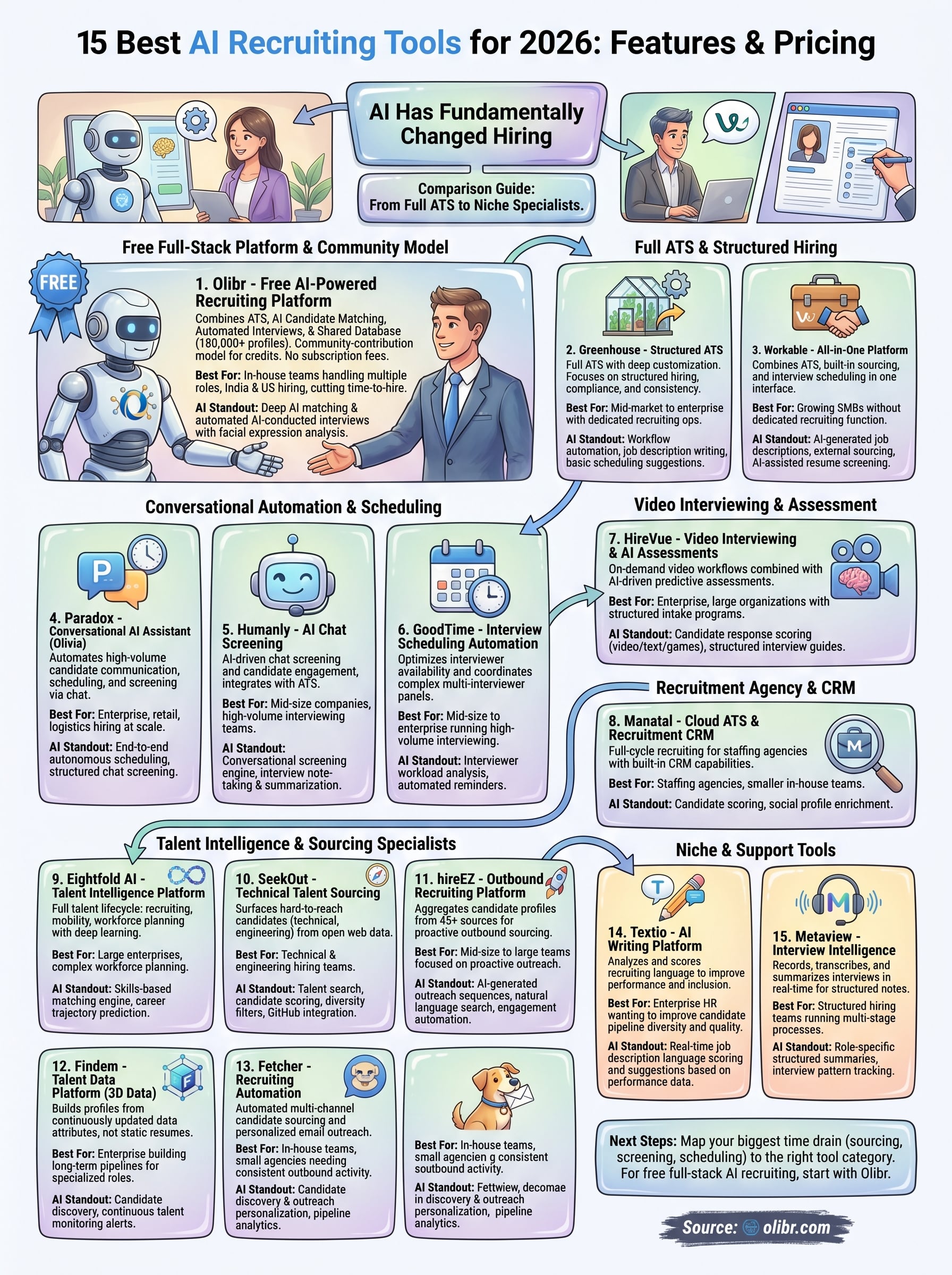
You now have a clear picture of the best ai recruiting tools available in 2026, from full ATS platforms to narrow specialists that handle one slice of the process exceptionally well. The right choice depends on what's actually slowing your hiring down: sourcing, screening, scheduling, or all three at once. Before committing to any platform, map your biggest time drain to the tool category that addresses it directly rather than picking the most feature-rich option on paper.
If cost is a real constraint and you need AI matching, automated interviews, and a searchable candidate database without paying a monthly subscription, Olibr handles all three in one place: the ATS is free and the AI features are paid per use. The community model means your access grows as you contribute, so the faster you start, the more value you get from day one. Start hiring for free on Olibr and see how much of your recruiting workload the platform can take off your plate immediately.
For hiring teams
Search 180,000+ candidate profiles — free.
Olibr is a community-funded recruiting platform: full ATS, AI interviews, and a shared resume database. No per-seat fees.